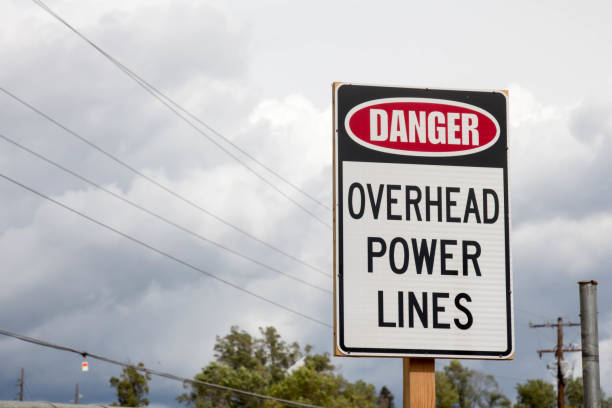
Is that nagging feeling about the wires outside your house keeping you up at night? Those overhead service wires, the ones connecting your home to the main power grid, are essential, but also exposed to the elements and potential damage. Ignoring them can lead to power outages, electrical hazards, or even fires.
Regularly inspecting your overhead service wires is a crucial part of home electrical maintenance. It allows you to identify potential problems early, preventing costly repairs and ensuring the safety of your home and family. This guide will walk you through the process of inspecting your overhead wiring, highlighting common issues to look for and providing practical advice on when to call a qualified electrician. Remember, when dealing with electricity, safety always comes first.
Let’s get started and make sure your home's connection is secure and reliable!
Visual Inspection of Overhead Service Wires
The first step in inspecting your overhead service wires is a thorough visual assessment. This can often be done from the ground using binoculars for a closer look, which is always the safest option. Never attempt to touch or handle any wires, even if you think they are insulated.
Here's what to look for during your visual inspection: Sagging or Loose Wires: One of the most obvious signs of a problem is excessive sagging in the wires between the pole and your house. Normal sagging exists, but if the wires are hanging unusually low, they could be stressed or damaged. This can be caused by weather, falling tree limbs, or even improper installation. Damaged Insulation: Carefully examine the insulation surrounding the wires. Look for cracks, splits, peeling, or any signs of deterioration. Weather, UV exposure, and physical contact can all damage insulation, increasing the risk of shorts and electrical hazards. Corrosion: Check the points where the wires connect to your house and the pole. Look for signs of rust or corrosion on the wires, connectors, and hardware. Corrosion can weaken the connections and reduce the efficiency of the electrical flow. Tree Branches: Ensure that tree branches are not touching or growing too close to the wires. Trees can conduct electricity, especially when wet, creating a dangerous situation. Furthermore, the weight of branches can damage the wires themselves. Damaged or Leaning Pole: If your service wires are connected to a pole on your property, inspect the pole itself for any signs of damage, such as cracks, rot, or leaning. A damaged pole can compromise the stability of the entire service connection. Weatherhead Condition: The weatherhead is the hooded fitting at the top of the service mast where the overhead wires connect to the wiring entering your home. Check for cracks, damage, or signs of water entry. Water entering the weatherhead can lead to corrosion and electrical problems. Secure Connections:Observe where the service wires connect to your house, typically at the service entrance point. Check if the connections appear loose, corroded, or damaged. Secure connections are essential for reliable electrical service.
If you notice any of these issues, it's important to contact a qualified electrician immediately. Do not attempt to fix these problems yourself, as it can be extremely dangerous.
People Also Ask: How often should I inspect my overhead service wires?
It's recommended to visually inspect your overhead service wires at least once a year, preferably in the spring and fall. You should also inspect them after any major weather event, such as a storm, heavy snowfall, or high winds. Regular inspections can help you catch problems early and prevent them from escalating.
Understanding Potential Hazards and Risks
Overhead service wires carry a significant amount of electricity, making them potentially dangerous if not properly maintained. Understanding the potential hazards and risks associated with these wires is crucial for ensuring your safety.
Electrocution: Contact with live overhead wires can be fatal. Never touch or attempt to handle any wires, even if you think they are insulated. Maintain a safe distance from all overhead wires, especially when working outdoors. Power Outages: Damaged or deteriorated overhead wires can cause power outages, disrupting your home's electrical service. Promptly addressing any issues can help prevent outages and minimize inconvenience. Fire Hazards: Faulty wiring, damaged insulation, and loose connections can all create fire hazards. Arcing, sparking, and overheating can ignite nearby materials, leading to a fire. Damaged Appliances: Voltage fluctuations caused by problems with overhead wiring can damage sensitive electronic devices and appliances. Surges and dips in voltage can shorten the lifespan of your equipment and potentially cause irreparable damage. Property Damage:Falling wires or damaged poles can cause significant property damage, including damage to your house, vehicles, and landscaping. Addressing issues with overhead service wires promptly can help prevent costly repairs.
It’s extremely important to be aware of these risks and take the necessary precautions to protect yourself and your property.
People Also Ask: What do I do if a power line falls in my yard?
If a power line falls in your yard, stay away from it and anything that it is touching. Immediately call your local utility company and report the downed line. Keep children and pets away from the area until the utility company has arrived and made the area safe. Never attempt to move the line yourself.
Essential Safety Precautions
Working around electricity is inherently dangerous, and it's crucial to take the necessary safety precautions when inspecting or working near overhead service wires.
Never Touch Wires: This cannot be emphasized enough. Never, under any circumstances, touch or attempt to handle overhead service wires. Even if you think the power is off, there's always a risk of electrocution. Maintain a Safe Distance: Keep a minimum of 10 feet away from all overhead wires. This includes when using ladders, tools, or equipment. Be especially cautious when working near power lines with metallic objects that can conduct electricity. Call a Qualified Electrician: If you notice any problems with your overhead service wires, do not attempt to fix them yourself. Contact a qualified electrician to perform the necessary repairs. They have the training, experience, and equipment to safely handle electrical work. Turn Off Power: If you need to work near the service entrance to your home, turn off the main breaker to cut off power to your house. This will minimize the risk of electrical shock. However, remember that the service wires themselves are still live and should not be touched. Use Insulated Tools: When working near electrical components, use insulated tools designed for electrical work. These tools will help protect you from electrical shock. Wear Protective Gear: Wear rubber-soled shoes and safety glasses to protect yourself from electrical hazards and potential injuries. Be Aware of Your Surroundings:Pay attention to your surroundings and be aware of any potential hazards, such as wet ground, trees, or other obstacles.
Remember, when it comes to electricity, it's always better to be safe than sorry. If you're not comfortable working around electricity, don't hesitate to call a qualified electrician. Your safety and the safety of your family are paramount.
People Also Ask: Can I trim trees near overhead service wires myself?
It is highly recommended that you do not trim trees near overhead service wires yourself. This is a job best left to professionals who have the proper training and equipment to do it safely. Contact your local utility company or a qualified arborist to trim trees near power lines. They can ensure that the work is done safely and without damaging the wires.
Maintenance Tips for Overhead Wiring
Proper maintenance can extend the lifespan of your overhead service wires and prevent potential problems. Here are some tips for maintaining your overhead wiring: Regular Inspections: As mentioned earlier, regular visual inspections are crucial for identifying potential problems early. Make it a habit to inspect your overhead service wires at least once a year, and after any major weather event. Tree Trimming: Keep tree branches trimmed away from the wires to prevent them from touching or damaging the insulation. Hire a qualified arborist or your local utility company to perform the trimming. Weather Protection: Consider applying a sealant or protective coating to the connections and hardware to protect them from corrosion and weather damage. Consult with an electrician to determine the best product for your specific situation. Secure Connections: Periodically check the connections at the service entrance to your home to ensure they are tight and secure. If you notice any loose connections, contact an electrician to tighten them. Professional Inspections: Schedule a professional inspection of your overhead service wires every few years to identify any hidden problems that may not be visible during a visual inspection. An electrician can perform a thorough assessment and recommend any necessary repairs or upgrades. Upgrade Worn Wiring: If your overhead service wires are old or showing signs of deterioration, consider upgrading them. Newer wires are more durable and resistant to weather damage. Maintain Clear Access:Ensure that there is clear access to the service entrance and pole-mounted wiring (if applicable) for utility workers and emergency personnel. This will allow them to quickly access the wiring in case of a problem.
By following these maintenance tips, you can help ensure the safety and reliability of your overhead service wires.
People Also Ask: How long do overhead service wires typically last?
The lifespan of overhead service wires can vary depending on several factors, including the quality of the materials, the climate, and the level of maintenance. In general, overhead service wires can last anywhere from 20 to 50 years. However, it's important to inspect them regularly and replace them if they show signs of deterioration or damage.
Troubleshooting Common Issues
Here are some common issues you might encounter with your overhead service wires and how to troubleshoot them: Flickering Lights: Flickering lights can be caused by a variety of factors, including loose connections, voltage fluctuations, or overloaded circuits. Check the connections at the service entrance to your home and make sure they are tight. If the problem persists, contact an electrician to investigate further. Power Outages: Power outages can be caused by damaged overhead wires, downed poles, or problems with the utility grid. Check with your neighbors to see if they are also experiencing a power outage. If the outage is limited to your home, check your circuit breakers to see if any have tripped. If the problem persists, contact your local utility company. Low Voltage: Low voltage can cause appliances to malfunction and can damage sensitive electronic devices. Check the voltage at your outlets with a multimeter. If the voltage is consistently low, contact an electrician to investigate the problem. Low voltage can be caused by undersized wiring, loose connections, or problems with the utility transformer. Buzzing or Crackling Sounds: Buzzing or crackling sounds coming from your overhead service wires can indicate a serious problem, such as arcing or sparking. Immediately contact an electrician and do not attempt to investigate the problem yourself. Warm Outlets or Switches:Warm outlets or switches can indicate a loose connection or an overloaded circuit. Turn off the circuit breaker to the affected outlet or switch and contact an electrician to investigate the problem.
Remember, when it comes to electrical problems, it's always best to err on the side of caution. If you're not sure what to do, contact a qualified electrician for assistance.
People Also Ask: How much does it cost to replace overhead service wires?
The cost to replace overhead service wires can vary depending on several factors, including the length of the wires, the complexity of the installation, and the local labor rates. In general, you can expect to pay anywhere from $500 to $2,000 or more to replace your overhead service wires. Get quotes from several qualified electricians before making a decision.
Taking the time to visually inspect your overhead service wires, understanding potential hazards, and knowing how to troubleshoot common issues empowers you to maintain a safe and reliable home electrical system. While it's important to be vigilant, remember that electrical work can be dangerous. Don't hesitate to call a qualified electrician when you encounter problems that are beyond your comfort level. With a little knowledge and proactive maintenance, you can keep your home powered safely and efficiently for years to come.
Posting Komentar untuk "How to Inspect Overhead Service Wires for Potential Hazards"