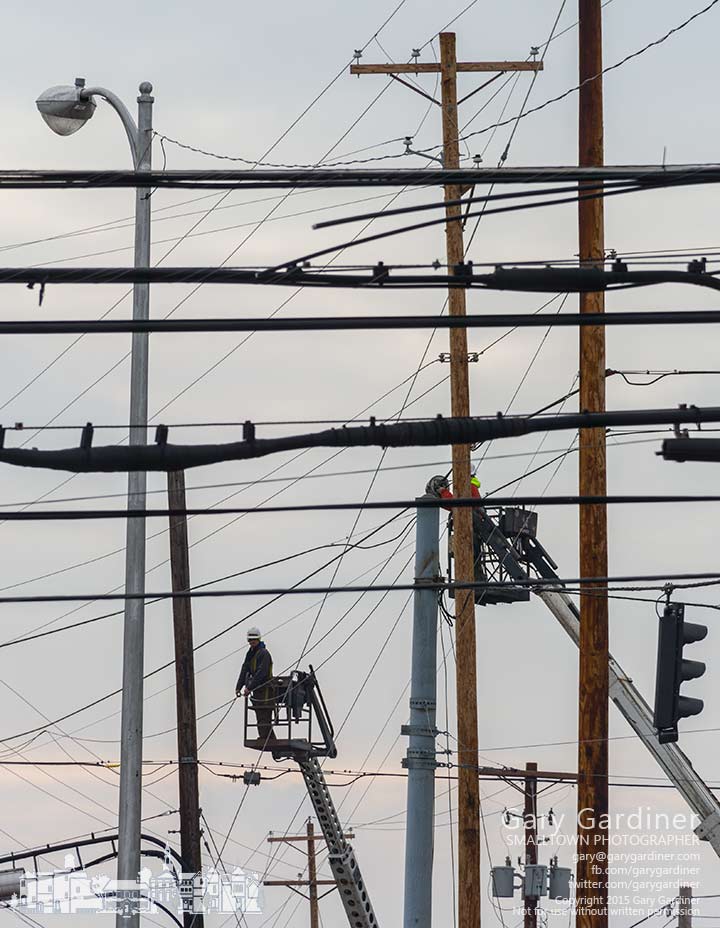
The Unsung Heroes Above: How Power Companies Keep Your Lights On
Ever wondered how electricity makes its way from the power plant to your outlets? While we often take it for granted, a complex network of wires, transformers, and dedicated professionals is constantly working to keep our homes powered. Much of this infrastructure, particularly in residential areas, relies on overhead wiring – those lines strung between poles that carry electricity right to your doorstep. This article delves into the critical involvement of utility companies in maintaining and managing these vital connections.
Understanding the role of the electricity provider in the distribution of power to your home, specifically via thehome electrical service drop, is crucial for every homeowner. Knowing who is responsible for what, what to look out for, and how to stay safe around electrical lines can save you money, prevent headaches, and, most importantly, protect you and your family from potential hazards.
Identifying the Utility Company's Responsibilities
So, where does your responsibility begin, and where does the utility company's end? Generally speaking, the utility company owns and maintains the equipmentup to the point where the service wires connect to your house. This includes the poles, the high-voltage lines running along the street, the transformer (often pole-mounted) that reduces the voltage to a level suitable for residential use, and the service drop itself – the wires running from the pole to your house.
Specifically, their duties often include: Installation and maintenance of poles and high-voltage lines: They are responsible for ensuring these structures are sound and capable of safely carrying electricity. Transformer maintenance: Utility companies regularly inspect and maintain transformers to prevent failures and ensure they are operating efficiently. Service drop maintenance (up to the connection point): They are responsible for the integrity of the wires running from the pole to your house, butonly up to the point of connection. Responding to power outages: When the power goes out, it's the utility company's job to identify the cause and restore service as quickly and safely as possible. Vegetation management around power lines:Trees and branches can pose a significant hazard to overhead wires. Utility companies have programs to trim trees and remove vegetation that could interfere with power lines.
Important Note: The exact demarcation point (where their responsibility ends and yours begins) can vary slightly depending on local regulations and the specific utility company. Always check with your local provider for clarification.
What are Your Responsibilities as a Homeowner?
While the utility company handles the majority of the overhead infrastructure, homeowners also have responsibilities for the electrical service once it reaches their property. This primarily involves theservice entrance, which includes the weatherhead (the fitting where the service drop connects to your house), the wires running down the side of your house to the meter, the meter itself (in some cases), and the electrical panel inside your home.
Your responsibilities include: Maintaining the service entrance equipment: This includes the weatherhead, conduit, and any associated hardware. Damaged or deteriorated equipment can pose a safety hazard and should be repaired or replaced by a qualified electrician. Keeping trees and shrubs trimmed away from your service entrance: While the utility company handles vegetation around the main power lines, you are responsible for keeping vegetation clear of your service entrance equipment. Ensuring your electrical panel is properly maintained: This includes checking for loose connections, damaged breakers, and any signs of overheating. Reporting any problems with your service entrance to a qualified electrician: If you notice any damage, corrosion, or other issues with your service entrance equipment, it's crucial to have it inspected and repaired by a licensed electrician.Do not attempt to repair this yourself! Understanding surge protection:While not directly related to the wiring itself, protecting your home from power surges is crucial. Consider installing a whole-house surge protector to safeguard your appliances and electronics.
Staying Safe Around Overhead Power Lines
Electricity is powerful and dangerous. Maintaining a safe distance and understanding the risks associated with overhead lines is paramount.
Here are some crucial safety tips:
1.Never touch a downed power line: Treat all downed wires as if they are live. Stay far away and immediately report it to the utility company.
2.Maintain a safe distance from overhead lines: Always be aware of the location of overhead lines when working outdoors. Keep ladders, tools, and other equipment at least 10 feet away from power lines.
3.Be careful when working near your service entrance: Avoid touching or disturbing the service entrance equipment. If you need to work near it, turn off the power at the main breaker and consult with a qualified electrician.
4.Call before you dig: Before doing any digging on your property, call 811 to have underground utilities located. This will prevent you from accidentally damaging underground power lines or other utilities.
5.Never climb trees near power lines: Climbing trees near power lines is extremely dangerous and should be avoided at all costs.
6.If you see a tree limb or other object touching a power line, contact the utility company immediately.Do not attempt to remove it yourself.
7.Teach children about electrical safety:Make sure children understand the dangers of electricity and the importance of staying away from power lines.
Troubleshooting Common Issues & When to Call the Pros
While the utility company is responsible for many aspects of overhead wiring, you may encounter issues that require your attention. Here's a look at some common problems and how to handle them: Flickering Lights: This can be caused by a variety of factors, including loose connections, overloaded circuits, or problems with the utility company's equipment. If the flickering is widespread or accompanied by other symptoms, such as dimming lights or appliance malfunctions, contact a qualified electrician or the utility company. Power Outages: If your power goes out, first check to see if your neighbors also have lost power. If it's just your house, check your circuit breakers. If a breaker has tripped, reset it. If it trips again immediately, there's likely a problem with the circuit, and you should call an electrician. If the outage is widespread, contact the utility company to report it. Damaged Service Entrance: If you notice any damage to your service entrance equipment, such as cracked insulators, corroded wires, or a loose weatherhead, contact a qualified electrician immediately.Do not attempt to repair this yourself. Low Voltage: If you suspect you're experiencing low voltage, test the voltage at your outlets using a multimeter. If the voltage is significantly lower than the standard 120 volts, contact the utility company. Trees Near Overhead Lines:If you see trees growing too close to the main overhead wiring, contact the utility company to request that they be trimmed. Don't try to trim them yourself.
When to Call a Professional
Any time you suspect a problem with your service entrance equipment.
If you experience frequent power outages or voltage fluctuations.
If you notice any signs of electrical arcing or burning smells.
If you are uncomfortable working around electricity.
When in doubt, always err on the side of caution and call a qualified electrician.
Understanding Voltage Inspections
Avoltage inspectionis a critical step in ensuring the health and safety of your home's electrical system, particularly concerning the service delivered via overhead lines. If you suspect voltage irregularities (lights dimming, appliances not performing optimally), a professional inspection can pinpoint the root cause. The electrician will use specialized equipment to measure the voltage at various points in your system, comparing it against the expected range. This helps determine if the issue lies with the utility company's supply, a problem within your home's wiring, or faulty appliances. Addressing voltage problems promptly can prevent damage to your electrical devices and potentially avoid electrical fires.
Cost Considerations for Overhead Service Issues
When problems arise with yourhome electrical service drop, understanding potential costs is crucial. If the issue lies on the utility company's side (e.g., a damaged transformer or a problem with the primary lines), the repair is typically their responsibility and won't cost you anything. However, if the problem is with your service entrance, you will be responsible for the repair costs. These costs can vary depending on the severity of the damage and the complexity of the repair. A simple repair, such as replacing a weatherhead, might cost a few hundred dollars. More extensive repairs, such as replacing the entire service entrance cable, could cost several thousand dollars. Always get multiple quotes from qualified electricians to ensure you're getting a fair price. Also, check with your homeowner's insurance policy to see if the damage is covered.
Maintaining Your Service Entrance for Longevity
Proper maintenance of your service entrance is crucial for ensuring its longevity and preventing costly repairs down the road. Here are some steps you can take:
1.Regular Visual Inspections: Periodically inspect your service entrance for any signs of damage, corrosion, or loose connections.
2.Vegetation Control: Keep trees and shrubs trimmed away from your service entrance to prevent them from damaging the wiring.
3.Protection from the Elements: If possible, consider installing a protective cover over your service entrance to shield it from harsh weather conditions.
4.Professional Inspections: Have your service entrance inspected by a qualified electrician every few years to identify any potential problems early on.
People Also Ask (FAQs)
Q: My neighbor's tree is growing into the power lines. Who should I call?
A: Call your local utility company. They are responsible for maintaining vegetation around the main power lines and have specialized equipment and trained personnel to handle this safely.
Q: How can I tell if my service entrance needs to be replaced?
A: Look for signs of damage, such as cracked insulators, corroded wires, or a loose weatherhead. Also, if you experience frequent power outages or voltage fluctuations, it could be a sign that your service entrance is failing. Contact a qualified electrician for an inspection.
Q: What is a weatherhead, and why is it important?
A: The weatherhead is the fitting where the service drop connects to your house. It protects the wires from the elements and prevents water from entering the electrical system. A damaged weatherhead can allow water to enter your home's electrical system, creating a safety hazard.
Wrapping Up: Powering Your Home Safely
Understanding the roles and responsibilities related to overhead wiring is paramount for every homeowner. By knowing what the utility company handles and what falls under your purview, you can ensure the safe and reliable delivery of electricity to your home. Remember to prioritize safety around power lines, regularly inspect your service entrance, and contact qualified professionals for any repairs or concerns. With a little knowledge and proactive maintenance, you can keep your lights on and your family safe. You've got this!
Posting Komentar untuk "Understanding the Role of Utility Companies in Overhead Wiring"