Overhead Wiring Inspection: What Professionals Look For
Ever glance up at those wires snaking from the utility pole to your house and wonder if they're in good shape? Most homeowners don't give their home electrical service drop a second thought – until there's a problem. But understanding the condition of your overhead wiring is crucial for safety and preventing unexpected power outages.
Overhead wiring brings electricity from the power grid directly into your home. It’s a vital link, and any issues with it can disrupt your power supply and, more seriously, pose significant electrical safety hazards. While inspecting these lines is best left to qualified electricians, knowing what they look for can help you identify potential problems early and ensure your home's electrical system remains safe and reliable. This guide will provide insights into what the pros consider when assessing your residential overhead lines, giving you a better understanding of your home's electrical lifeline.
Why Regular Checks of Your Home Electrical Service Drop Matter
Maintaining your overhead wiring is not just about convenience; it's about safety and preventing costly repairs down the line. Damaged or deteriorated wiring can lead to power outages, electrical fires, and even electrocution. Regularly monitoring the condition of your service drop allows you to identify potential problems before they escalate into serious hazards. Furthermore, proactively addressing issues can prevent unexpected disruptions to your power supply, keeping your home running smoothly.
Here's why regular checks are so important: Safety: Deteriorated wiring increases the risk of electrical shock and fires. Reliability: Identifying and fixing problems early prevents unexpected power outages. Cost Savings: Addressing minor issues before they become major problems can save you money on expensive repairs. Compliance: Some insurance companies require regular electrical inspections, including overhead wiring.
Key Signs of Trouble in Overhead Wiring: What to Look For
While a professional electrician is the best person to perform a detailed inspection, you can keep an eye out for potential issues. Here's what to look for when visually assessing your pole-mounted wiring from the ground: Sagging or Loose Wires: Excessive sagging can indicate that the wires are stretched, damaged, or improperly supported. Damaged Insulation: Cracks, peeling, or missing insulation exposes the wires and increases the risk of short circuits and electrical shock. Look closely for any signs of wear and tear on the protective coating. Corrosion: Green or white corrosion on the wires or connectors indicates oxidation, which can weaken the connections and reduce the efficiency of the electrical system. Tree Limbs Touching Wires: Contact between tree branches and overhead wires is a major hazard. The friction can damage the insulation, and wet branches can conduct electricity. Damaged or Cracked Weatherhead: The weatherhead is the fitting where the service drop connects to your house. Cracks or damage can allow water to enter the electrical system. Loose or Damaged Connectors: Check the connectors where the wires attach to the house and the utility pole. Loose or damaged connectors can cause voltage drops and arcing. Bird Nests:Bird nests can add weight to the lines and can be a fire hazard.
Important Safety Note:Never attempt to touch or repair overhead wiring yourself. Always contact a qualified electrician or your local utility company for any necessary repairs.
What a Professional Looks For During an Overhead Wiring Inspection
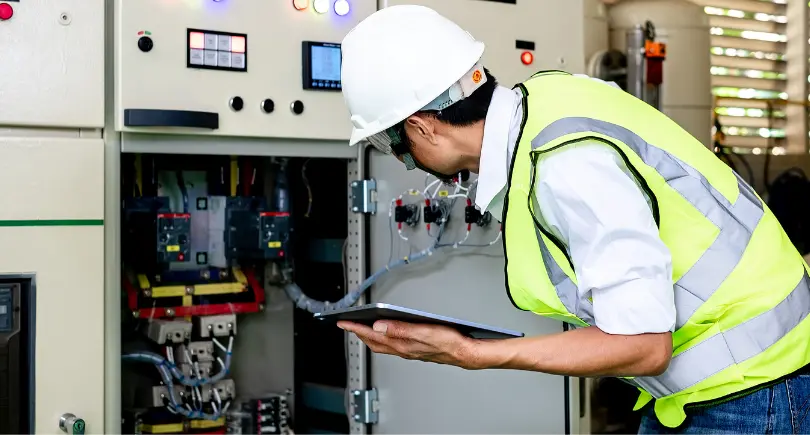
When a qualified electrician performs an inspection of your overhead service wiring, they go beyond a simple visual check. They conduct a thorough assessment to identify any potential problems and ensure the safety and reliability of your electrical system. Here’s what they typically look for:
1.Visual Inspection: As described above, they will look for any signs of physical damage, corrosion, sagging, or tree contact. They'll use binoculars to get a closer look at hard-to-reach areas.
2.Voltage Inspection: Electricians use specialized equipment to measure the voltage at various points in the system. Voltage drops can indicate loose connections, damaged wires, or overloaded circuits.
3.Insulation Testing: Using a megohmmeter, they test the integrity of the insulation on the wires. This device measures the resistance of the insulation, revealing any weaknesses or breakdown that could lead to short circuits.
4.Connection Integrity: Electricians carefully inspect the connections at the weatherhead, meter box, and service panel. They tighten any loose connections and replace any damaged connectors.
5.Grounding System Check: A properly grounded electrical system is essential for safety. The electrician will verify that the grounding system is intact and functioning correctly to protect against electrical shock.
6.Clearance Verification: Electricians ensure that the overhead wires meet the required clearance from the ground, buildings, and other structures. This is crucial for preventing accidental contact.
7.Compliance with Codes: The inspection also includes ensuring that the overhead wiring complies with local electrical codes and regulations. This helps ensure the safety and legality of your electrical system.
8.Documentation: The electrician will provide a detailed report of their findings, including any recommended repairs or upgrades. This documentation can be valuable for insurance purposes and future maintenance.
DIY vs. Professional Assessment: When to Call an Expert
While homeowners can perform a visual inspection of their overhead wiring from the ground, it's essential to understand the limitations of DIY assessments. Working with electricity is inherently dangerous, and any work on overhead wiring should be left to qualified professionals.
Here's a breakdown of when to handle things yourself (observational only!) and when to call an electrician:DIY (Observational Only - From the Ground):
Visually inspecting for sagging wires.
Looking for obvious signs of damage to the insulation.
Checking for tree limbs touching the wires.
Observing the condition of the weatherhead from a safe distance.
Call a Professional Electrician
Any sign of damaged or exposed wiring.
Corrosion on wires or connectors.
Excessive sagging of the wires.
Trees growing too close to the wires.
Any flickering lights or other electrical problems in your home.
You are uncomfortable or unsure about any aspect of the inspection.
How Much Does an Overhead Wiring Inspection Cost?
The cost of an overhead wiring inspection can vary depending on several factors, including your location, the complexity of the inspection, and the electrician's rates. Generally, you can expect to pay between \$100 and \$300 for a basic inspection. However, if the inspection reveals any necessary repairs or upgrades, the cost can increase significantly.
Here are some factors that can affect the cost: Location: Electricians in urban areas typically charge more than those in rural areas. Complexity: If the overhead wiring is difficult to access or requires specialized equipment, the cost will be higher. Repairs: Any necessary repairs, such as replacing damaged wires or connectors, will add to the overall cost. Permits: Depending on your local regulations, you may need to obtain a permit for any electrical work, which can add to the cost.
Tip: Get quotes from multiple electricians before hiring one to ensure you are getting a fair price. Also, ask for a detailed breakdown of the costs so you know exactly what you are paying for.
Proactive Home Electrical Maintenance: Tips for Long-Term Reliability
Besides regular inspections, there are several steps you can take to ensure the long-term reliability of your overhead wiring: Tree Trimming: Regularly trim trees around your overhead wires to prevent them from touching the wires. Contact a professional tree service company for safe and effective tree trimming.Never attempt to trim trees near power lines yourself. Weather Protection: Apply weather-resistant sealant to the weatherhead and other exposed connections to protect them from the elements. Avoid Overloading Circuits: Avoid overloading circuits by plugging too many appliances into a single outlet. This can put stress on the wiring and increase the risk of electrical problems. Prompt Repairs: Address any electrical problems promptly. Ignoring small issues can lead to more significant and costly repairs down the line. Keep the Area Clear:Ensure the area around your service drop and meter is clear of obstructions. This allows for easy access for inspections and repairs.
People Also Ask
What is a service drop?
The service drop refers to the overhead wires that run from the utility pole to your house, delivering electricity to your home's electrical system.
How often should I have my overhead wiring inspected?
It is recommended to have your overhead wiring inspected by a qualified electrician at least every three to five years, or more frequently if you notice any signs of damage or problems.
Can I bury my overhead wires?
Yes, you can bury your overhead wires. This is called undergrounding the service. While it can improve the aesthetics of your property and protect the wires from damage, it is a significant project that requires permits and specialized equipment. It's best to consult with an electrician to determine if undergrounding is the right option for you.
Conclusion: Protecting Your Home with Vigilance and Professional Care
Your overhead wiring is a critical component of your home's electrical system, and maintaining it properly is essential for safety and reliability. While visual inspections from the ground can help you identify potential problems, a professional inspection is necessary to ensure the system is functioning correctly and safely. By understanding what professionals look for and taking proactive maintenance steps, you can protect your home and family from electrical hazards and enjoy a reliable power supply for years to come. Remember, when it comes to electricity, erring on the side of caution is always the best approach. Don't hesitate to contact a qualified electrician if you have any concerns about your overhead wiring.
Posting Komentar untuk "Overhead Wiring Inspection: What Professionals Look For"