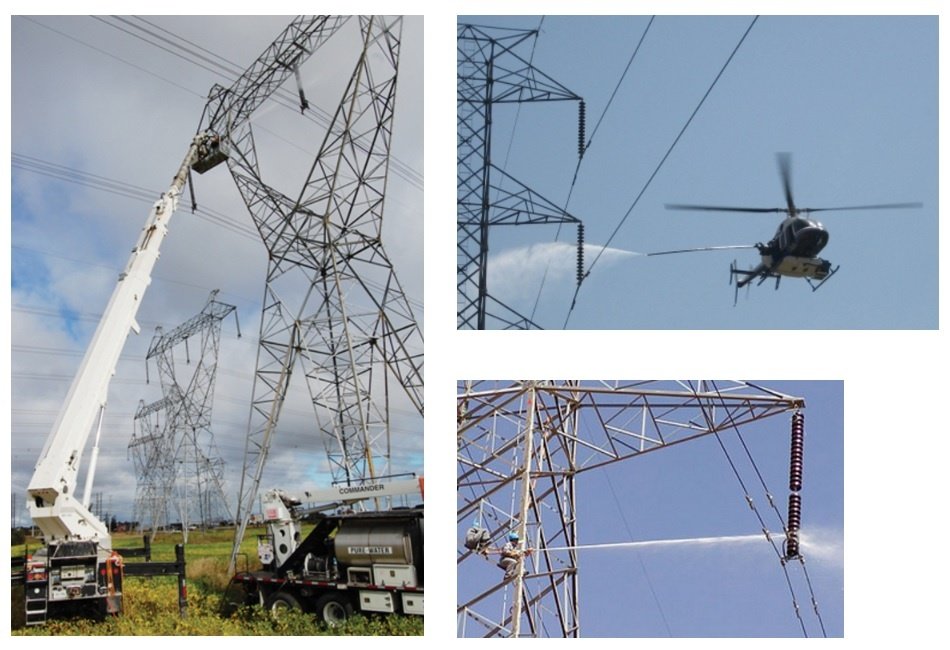
Ever wondered what keeps the power flowing safely from the utility pole to your home? It's easy to take that overhead electrical service for granted, but the components that support and insulate those wires – particularly the insulators – play a crucial role in your home's electrical system. Neglecting them can lead to serious problems, from power outages to electrical hazards.
Understanding the basics of your home electrical service drop is key to ensuring its longevity and safety. The service drop consists of the wires running from the utility pole to your house, and the insulators are the unsung heroes that prevent those wires from contacting conductive surfaces, like your house or support structures. These insulators are typically made of ceramic, glass, or polymer materials. Recognizing potential issues early can save you from costly repairs and, more importantly, protect you and your family.
Why Inspect Your Overhead Wiring?
Regularly checking the condition of your overhead wiring is essential for a few key reasons: Safety First: Damaged insulators can compromise the insulation of the wires, creating a risk of electrical shock. This is especially important if you have children or pets who might come into contact with the wires. Prevent Power Outages: Deteriorated insulators can lead to shorts and ground faults, tripping breakers and causing power outages. Identifying and addressing these issues proactively prevents unexpected disruptions to your electrical service. Avoid Costly Repairs: Catching problems early allows you to address them before they escalate into more significant and expensive repairs. Replacing a single damaged insulator is far cheaper than replacing an entire service drop. Maintain Property Value: A well-maintained home electrical system is a selling point. Neglecting the service drop can detract from your property value and potentially raise red flags during a home inspection.
What to Look For During an Inspection
Before we dive in, acriticalreminder: Never attempt to handle or touch any overhead wiring. This work shouldalwaysbe performed by a qualified and licensed electrician. Your role is to observe and report any concerns. With that said, here are some key indicators that warrant a professional inspection of your residential overhead lines:
1.Cracks or Chips: Carefully examine the insulators for any visible cracks, chips, or other physical damage. Even small cracks can allow moisture to penetrate and compromise the insulating properties. Binoculars can be helpful for this.
2.Discoloration or Staining: Look for discoloration, staining, or tracking on the surface of the insulators. This can indicate electrical arcing or leakage, suggesting that the insulator is failing.
3.Loose or Broken Hardware: Inspect the hardware that secures the insulators to the wires and support structures. Check for signs of rust, corrosion, or loose connections.
4.Sagging Wires: Excessive sagging in the overhead wires can put undue stress on the insulators. Report any noticeable sagging to your local utility company or a qualified electrician.
5.Buzzing or Crackling Sounds: Listen for any unusual noises emanating from the vicinity of the overhead wiring. Buzzing, crackling, or hissing sounds can indicate electrical arcing and should be investigated immediately.
6.Vegetation Interference: Ensure that trees and shrubs are trimmed away from the overhead wires. Contact between vegetation and the wires can damage the insulation and create a fire hazard. The utility company will often handle trimming near the lines themselves.
7.Bird Nests: Check to ensure that bird nests aren't building up near the insulators and wiring. Nests can create a fire hazard.
Safe Inspection Practices
Remember, observing from a safe distance is paramount. Keep these precautions in mind: Maintain Distance: Never approach the overhead wiring closer than 10 feet. Use binoculars for a closer view. Use Appropriate Tools: If you need to reach high areas for observation, use a sturdy ladder and ensure it is placed on a level surface. Never Touch: Under no circumstances should you touch the overhead wiring or any of its components. Be Aware of Surroundings: Watch out for obstacles, uneven terrain, and other hazards in your surroundings. Weather Conditions:Avoid inspections during wet or stormy weather.
When to Call a Professional
While a visual check can help you identify potential issues, it's crucial to know when to call a professional electrician. Here's a guide: Any Visible Damage: If you observe any cracks, chips, discoloration, or other damage to the insulators, contact a qualified electrician immediately. Loose or Broken Hardware: If you notice any loose or broken hardware, such as bolts, clamps, or brackets, schedule an inspection with a licensed electrician. Unusual Noises: If you hear any buzzing, crackling, or hissing sounds emanating from the overhead wiring, call an electrician promptly. Sagging Wires: Report any excessive sagging in the overhead wires to your local utility company or a qualified electrician. If in Doubt, Consult:If you're unsure about the condition of your overhead wiring, it's always best to err on the side of caution and consult a professional.
Cost Considerations
The cost of repairing or replacing overhead wiring and insulators can vary depending on the extent of the damage and the complexity of the job. Here's a general overview: Insulator Replacement: Replacing a single damaged insulator can cost anywhere from \$100 to \$500, depending on the type of insulator and the labor involved. Service Drop Replacement: Replacing the entire service drop can cost from \$500 to \$2,000 or more, depending on the length of the run, the type of wire, and the local labor rates. Emergency Repairs:Emergency repairs, such as those required after a storm, can be more expensive due to the urgency and potential overtime charges.
It's always a good idea to get quotes from multiple licensed electricians to ensure you're getting a fair price.
Extending the Lifespan of Your Overhead Wiring
Here are a few things you can do to help extend the lifespan of your home electrical service drop: Regular Inspections: Conduct visual inspections of the insulators and wiring at least once a year, or more frequently if you live in an area with harsh weather conditions. Vegetation Control: Keep trees and shrubs trimmed away from the overhead wiring to prevent contact and damage. Professional Maintenance: Schedule regular maintenance checks with a qualified electrician to identify and address potential issues before they become major problems. Proper Installation: Ensure that the overhead wiring is properly installed and supported according to local electrical codes.
People Also Ask
Here are some frequently asked questions about overhead electrical systems:
How often should I inspect my overhead wiring?
A visual inspection at least once a year is recommended. After severe weather events, like storms or high winds, it's a good idea to check again.
Can I replace an insulator myself?
No. Working on overhead electrical systems is extremely dangerous and should only be performed by qualified and licensed electricians. Incorrect work can lead to electrocution, fires, and other hazards.
Who is responsible for maintaining the service drop?
Typically, the utility company is responsible for maintaining the wires from the utility pole to the point of connection at your house. You, as the homeowner, are responsible for the wiring and equipment on your property, including the connection point and any weatherheads. However, it's essential to confirm this with your local utility provider, as policies can vary.
What should I do if a tree falls on my overhead wires?
Do NOT approach the wires. Immediately call your local utility company and report the incident. Stay away from the area until the utility company has made the area safe.
Final Thoughts
Taking the time to visually check the insulators and wiring that feed electricity to your home is a simple yet effective way to ensure your safety and prevent potential problems. While you shouldn't attempt any repairs yourself, being observant and knowing what to look for can empower you to take proactive steps in maintaining your home's electrical system. By following these tips and knowing when to call a professional, you can keep your home powered safely and reliably for years to come. Remember, when it comes to electricity, safety is always the top priority.
Posting Komentar untuk "How to Inspect Overhead Electrical Insulators"