10 Safety Hazards of Neglecting Overhead Electrical Lines
Ever glance up at those wires snaking from the power pole to your house and wonder, "Are those things safe?" Most homeowners don't give their home's electrical service drop a second thought – until something goes wrong. But ignoring potential issues with these crucial power lines can lead to serious safety hazards and expensive repairs.
Your home's connection to the main power grid relies on overhead service wiring. These lines, often strung between a utility pole and your house, deliver the electricity that powers your lights, appliances, and everything else. Because they're exposed to the elements, overhead lines are susceptible to damage from weather, trees, and even animals. Regular inspection and prompt repair are essential for maintaining electrical safety and preventing potentially dangerous situations. Let’s explore ten common hazards associated with neglecting overhead electrical lines, and what you can do to prevent them.
Understanding the Risks: Why Overhead Wiring Requires Attention
Before we dive into the specific hazards, let's understand why this area of your home's electrical system deserves special attention. Overhead wiring is typically high-voltage, meaning even a small fault can result in significant electrical shock or fire. These lines are also constantly exposed to the elements. Strong winds, ice storms, and heavy rain can all weaken the connections and insulation. Furthermore, tree branches growing too close to the lines are a common cause of problems. Ignoring these risks can lead to: Power outages: Damaged lines can interrupt your electricity supply. Electrical shocks: Exposed wires pose a serious electrocution risk. Fires: Faulty wiring can spark and ignite nearby materials. Appliance damage: Power surges caused by line problems can fry sensitive electronics. Costly repairs:Neglecting small issues can lead to major electrical work down the road.
Now, let's get into the specifics.
1. Sagging or Low-Hanging Wires: A Clear Danger Sign
One of the most obvious signs of a problem is sagging or low-hanging overhead wiring. This can be caused by several factors, including: Excessive weight: Ice buildup or heavy snow can weigh down the lines. Wire stretching: Over time, the wires themselves can stretch and sag. Damaged supports:The hardware supporting the lines might be corroded or broken.
Low-hanging wires are a significant safety hazard because they increase the risk of contact. Anyone (or anything) passing by – a tall vehicle, a ladder, or even a person – could accidentally touch the line, resulting in severe electrical shock or even death.
What to do: Immediately contact your local utility company. Do NOT attempt to raise or move the wires yourself. The utility company is responsible for maintaining the lines up to the connection point at your house.
2. Tree Branches Touching or Growing Near the Lines
This is a very common issue and a frequent cause of power outages. Trees can conduct electricity, especially when wet. If a branch touches a live wire, it can create a path for electricity to flow to the ground, potentially electrifying the tree and surrounding area. Strong winds can exacerbate the problem by causing branches to rub against the lines, damaging the insulation.
What to do: Never attempt to trim tree branches near overhead wiring yourself. This is a job for qualified professionals. Contact your utility company; they often have tree trimming programs to address vegetation near power lines. You can also hire a certified arborist who is trained to work safely around electrical lines.
3. Damaged or Cracked Wire Insulation: A Silent Threat
The insulation around overhead wiring protects the wires from the elements and prevents electrical current from escaping. Over time, this insulation can become damaged due to: UV exposure: Sunlight can degrade the insulation material. Temperature fluctuations: Extreme heat and cold can cause the insulation to crack. Physical abrasion:Branches rubbing against the lines can wear down the insulation.
Damaged insulation exposes the live wires, creating a risk of electrical shock and fire. It can also lead to short circuits and power outages.
What to do: Visually inspect the wiring from the ground (using binoculars if necessary). Look for cracks, peeling, or other signs of damage to the insulation. If you notice any damage, contact a qualified electrician for a thorough inspection and repair. Do not attempt to repair damaged insulation yourself.
4. Corroded or Loose Connections
The connections where the overhead wiring attaches to your house and the utility pole are vulnerable to corrosion. Moisture, salt, and other environmental factors can cause the metal connectors to rust and weaken. Loose connections can also develop due to vibration or physical stress.
Corrosion and loose connections increase electrical resistance, which can lead to: Overheating: The connections can become hot, potentially causing a fire. Voltage drops: Your appliances may not receive enough power, leading to malfunctions. Power outages:The connection may fail completely, cutting off your electricity supply.
What to do: Look for signs of corrosion, such as rust or green buildup on the connections. If you suspect a loose connection (flickering lights, for example), contact a licensed electrician to inspect and tighten the connections.
5. Weather-Related Damage: Be Prepared for the Storm
Severe weather events like hurricanes, ice storms, and strong winds can wreak havoc on overhead electrical lines. Ice buildup can weigh down the lines and cause them to sag or break. High winds can snap poles and topple trees onto the lines. Lightning strikes can also damage the wiring and electrical equipment.
What to do: Be aware of weather forecasts and take precautions before a storm hits. Trim trees near overhead wiring, secure loose objects that could blow into the lines, and have a backup power plan in case of a power outage. After a storm, inspect the overhead wiring for any signs of damage and report any problems to your utility company.
6. Animal Damage: Uninvited Guests
Squirrels, birds, and other animals can chew on or nest near overhead electrical lines. Their activity can damage the insulation, create short circuits, and even cause power outages.
What to do: Look for signs of animal activity, such as chewed wires or nests near the lines. You can install animal deterrents, such as bird spikes or squirrel guards, to keep animals away from the wiring. If you notice significant damage, contact a qualified electrician to make repairs.
7. Improper Clearances: Maintaining Safe Distances
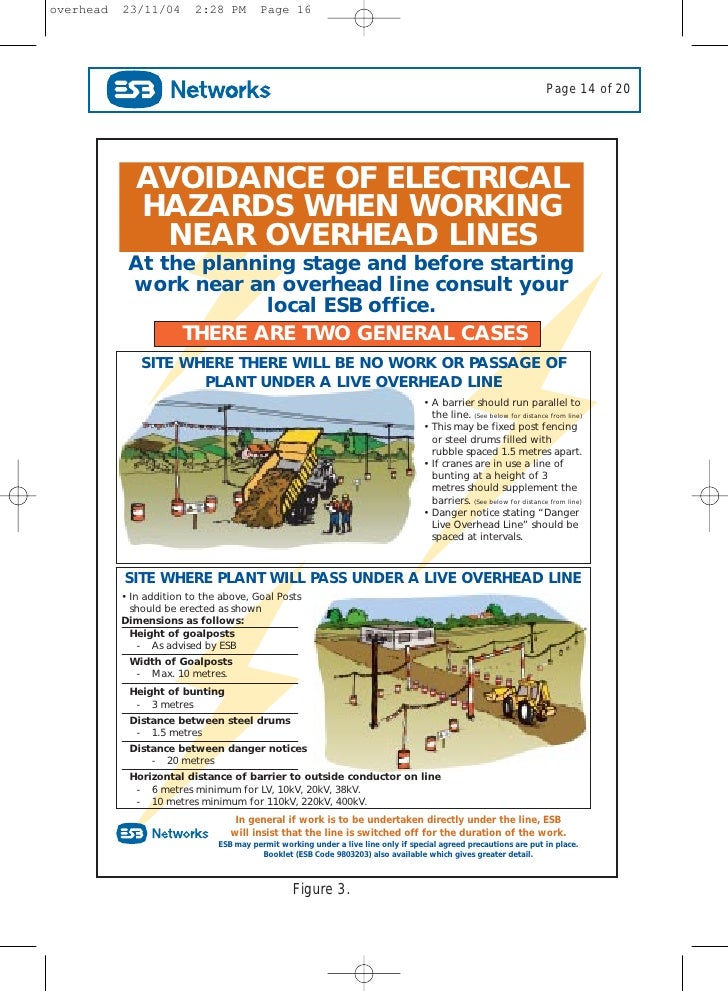
National Electrical Code (NEC) guidelines mandate specific clearances for overhead wiring above ground and buildings. These clearances ensure that the lines are high enough to prevent accidental contact. Over time, changes in ground level (due to landscaping or construction) or building heights can reduce these clearances, creating a safety hazard.
What to do: If you are planning any landscaping or construction projects near overhead wiring, be sure to consult with a qualified electrician to ensure that you maintain the required clearances.
8. Old or Outdated Wiring: Time for an Upgrade?
Older homes may have overhead wiring that is outdated or not up to current safety standards. The insulation on older wires may be brittle and prone to cracking, and the wiring itself may not be able to handle the demands of modern appliances.
What to do: If your home is more than 25 years old, consider having a qualified electrician inspect your overhead wiring to determine if it needs to be upgraded. Upgrading your wiring can improve safety and reliability.
9. DIY Electrical Work Gone Wrong
Attempting to repair or modify overhead wiring without the proper knowledge and equipment is extremely dangerous. Electricity is unforgiving, and even a small mistake can result in severe electrical shock, fire, or death.
What to do: Never attempt to work on overhead wiring yourself. Always hire a licensed electrician for any electrical work, especially work involving high-voltage lines.
10. Ignoring Warning Signs: Don't Delay Action
One of the biggest mistakes homeowners make is ignoring warning signs of potential problems with their overhead wiring. Flickering lights, buzzing sounds, or a burning smell near the electrical panel can all indicate a problem with the wiring.
What to do: Pay attention to any unusual signs or symptoms related to your electrical system. If you notice anything suspicious, contact a qualified electrician immediately. Prompt action can prevent a small problem from turning into a major electrical emergency.
People Also Ask
How often should I inspect my overhead wiring? A visual inspection from the ground should be done at least once a year, preferably in the spring after winter weather. If you live in an area prone to severe weather, you may want to inspect your wiring more frequently. Who is responsible for maintaining overhead wiring? Typically, the utility company is responsible for maintaining the lines up to the point where they connect to your house. The homeowner is responsible for the wiring and equipment on their property, including the service entrance cable and meter box. How much does it cost to repair or replace overhead wiring? The cost of repairing or replacing overhead wiring can vary depending on the extent of the damage and the complexity of the job. Simple repairs may cost a few hundred dollars, while a complete replacement can cost several thousand dollars. It’s always best to get quotes from multiple licensed electricians.
Taking proactive steps to maintain and inspect your overhead electrical lines is vital for ensuring the safety and reliability of your home's electrical system. By being aware of these common hazards and following the advice outlined above, you can protect your family, your property, and yourself from the dangers of neglected electrical wiring. Remember, when in doubt, always call a qualified electrician. You've got this – stay safe!
Posting Komentar untuk "10 Safety Hazards of Neglecting Overhead Electrical Lines"